Discover. Compare. Experience.
Terroir HUB
SAKE
Your guide to 1,293 sake breweries
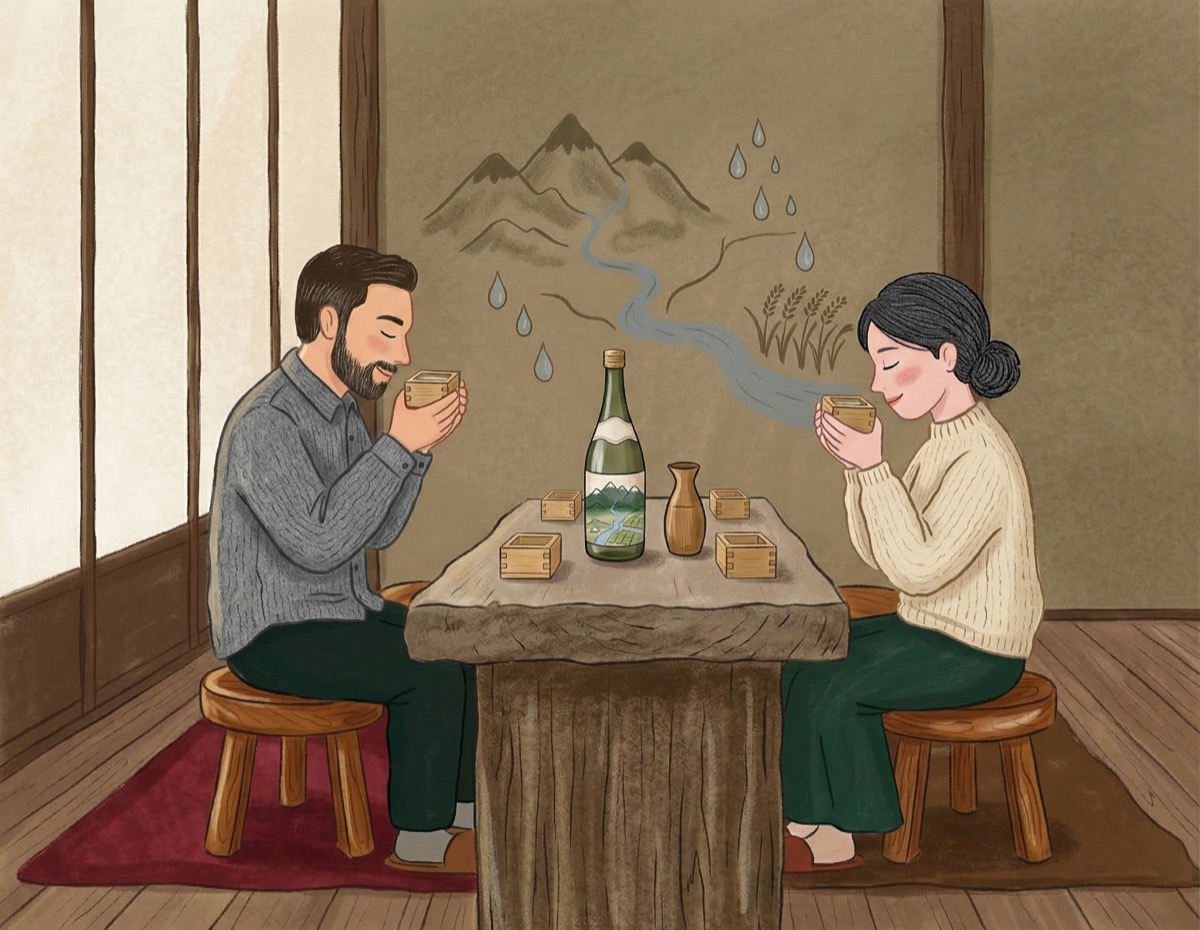
Discover. Compare. Experience.
Your guide to 1,293 sake breweries
Sake — also called nihonshu (日本酒) in Japanese — is a fermented alcoholic beverage brewed from just four core ingredients: rice, water, koji (a mold, Aspergillus oryzae, cultivated on steamed rice), and yeast. Unlike wine, which ferments sugars already present in grapes, sake relies on a process called multiple parallel fermentation: koji converts the starch in steamed rice into sugar, and yeast converts that sugar into alcohol, both happening in the same tank at the same time. That process is part of why sake can range so widely in character, from crisp and dry to soft and fruity, even though the ingredient list stays short.
What shapes a given sake's personality is everything around those four ingredients: the rice variety (sake-brewing rice such as Yamada Nishiki or Gohyakumangoku is bred differently from table rice), how far the rice is polished before brewing, the mineral profile of the brewery's water source, and the judgment of the toji (master brewer) guiding fermentation. A sake brewery in Japan — called a shuzo or kura — can be a small, generations-old family operation making a handful of labels a year, or a larger producer shipping nationwide and abroad.
Terroir HUB SAKE catalogs 1,293 sake breweries across all 47 prefectures, built entirely on information each brewery publishes officially. Whether you're trying to make sense of a label at a restaurant, comparing regional styles, or planning a brewery visit in Japan, this hub — together with AI concierge Sakura — is designed to make sake approachable without oversimplifying it. For a longer walkthrough, see our full Japanese sake guide for beginners.
Much like terroir shapes wine, Japan's sake-producing regions each bring their own water, rice, and climate to the brewing process. In the Kansai region, Hyogo Prefecture is home to Nada, historically one of Japan's most prominent sake districts, long associated with hard, mineral-rich "miyamizu" water that ferments briskly into full-bodied, robust sake. Nearby, Kyoto's Fushimi district draws on notably soft groundwater and is known for a gentler, more delicate style — often described as the elegant counterpart to Nada.
Further north, Niigata became internationally known for tanrei karakuchi, a clean, light, and dry style that shaped what many drinkers now picture when they think of chilled sake, helped along by snowmelt water and Gohyakumangoku rice bred in the prefecture. In the Tohoku region, Akita and Yamagata both benefit from long, cold winters suited to slow, low-temperature fermentation, and have built strong reputations in national sake competitions in recent decades.
These are just a few examples — every one of Japan's 47 prefectures has its own brewing history and house styles. Use the map above to browse by region, search all breweries directly, or ask AI Sakura to suggest a region based on the flavor profile you enjoy.
Premium Japanese sake is classified mainly by two factors: the seimaibuai, or rice-polishing ratio (how much of the outer rice grain is milled away before brewing), and whether a small amount of brewing alcohol was added. Sake that meets specific criteria for both can carry one of eight official "tokutei meisho-shu" (special designation) labels — the terms you'll most often see printed on a bottle.
Beyond these official categories, you'll also see style terms describing how a sake is finished: Nigori is unfiltered and cloudy, with fine rice sediment left in the bottle; Nama-zake is unpasteurized, prized for a fresher, more delicate flavor and best kept refrigerated; Genshu is undiluted, typically landing at a higher 17–20% alcohol; and Koshu is deliberately aged, developing deeper, sometimes sherry-like notes. For the full breakdown, see our complete guide to sake types, and for term-by-term definitions, our sake glossary.
One thing that sets sake apart from wine or beer is the range of temperatures at which it's traditionally served — the same bottle can taste noticeably different chilled versus warmed. Common serving temperatures include reishu (chilled, roughly 5–10°C), room temperature (around 20°C), and several stages of warm sake, from nurukan (lightly warmed, around 40°C) up to atsukan (hot, around 50°C). As a general guideline, delicate, aromatic Ginjo and Daiginjo sake are usually served chilled to preserve their fragrance, while fuller-bodied Junmai and Honjozo styles often open up when gently warmed. There's no single "correct" temperature — trying the same sake at two or three temperatures is one of the best ways to discover what you like. See our sake temperature guide for more detail.
Sake is traditionally served in small vessels rather than large wine glasses. The choko is a small ceramic cup, the guinomi a slightly larger version often used more casually, and the masu is a square wooden box historically used to measure rice — still used today, sometimes with a small glass set inside it, for celebratory pours. Each vessel changes the experience slightly, from how the aroma is captured to how quickly the sake warms in your hand.
Pairing sake with food follows a simple principle: match intensity with intensity. Light, dry Ginjo-style sake suits delicate dishes like sashimi or steamed fish, while richer, umami-forward Junmai sake can stand up to grilled meats, aged cheese, or simmered dishes. Because sake has relatively low acidity and no tannins, it rarely clashes with food the way some wines can — part of why it's increasingly served well beyond Japanese cuisine. For dish-by-dish ideas, see our sake food pairing guide.
Many sake breweries across Japan welcome visitors, though the experience varies widely — from small, family-run kura that require an advance phone or email reservation, to larger, well-known producers with dedicated museums, tasting counters, and English-language signage. Winter, the traditional kanzukuri brewing season, is when many breweries are most active, but the months a brewery is actually open to the public depend entirely on that brewery, so checking directly before visiting is essential.
A typical visit might include a short walk through the kura with the brewing process explained, a look at the koji room and fermentation tanks, and a tasting of a few current releases — sometimes only available on-site. A few points of etiquette are worth keeping in mind: many kura are working production facilities, so photography may be restricted in certain areas, strong perfume is generally discouraged near fermentation tanks, and if you're driving, it's standard practice for the driver to skip the tasting.
Every brewery profile on Terroir HUB SAKE lists whatever official visit information that brewery has made public, including whether a reservation is required. Browse breweries by region, take a look at our list of breweries with visitor information, or ask AI Sakura to help plan a realistic brewery-visit itinerary based on where you're traveling in Japan.
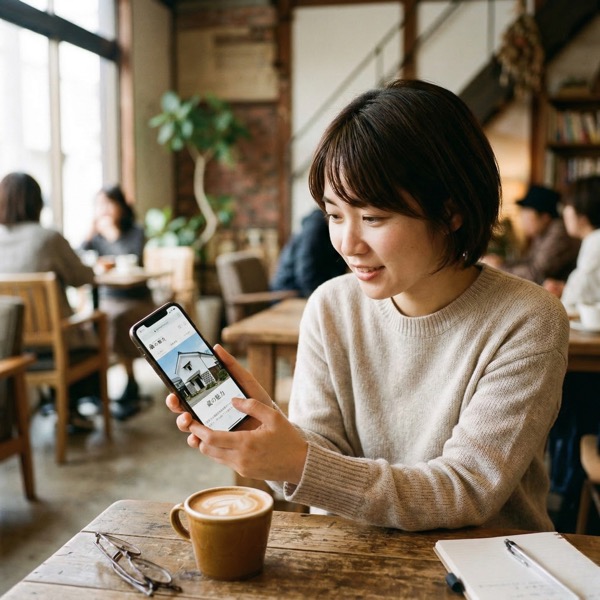
Explore any brewery page. All 1,293 profiles are built solely from official, verified information.
Create a free account to save favorites and try AI Sakura. It takes just 30 seconds.

Ask Sakura anything. "What sake pairs with tonight's dinner?" Find your perfect bottle through conversation.
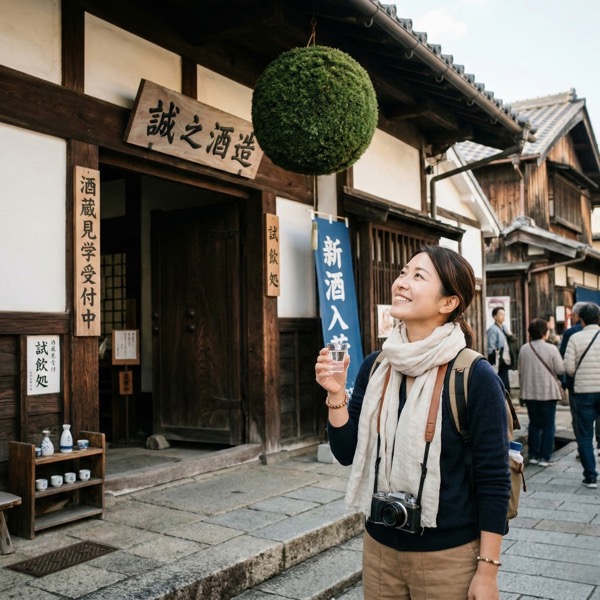
Behind every page is a real brewery. Visit information, access, and local food culture — discover sake where it's made.

Sakura knows 1,751 breweries and 3,200 brands. She recommends sake matched to your taste, suggests food pairings, plans brewery tours, and explains sake types, brewing, and history.
Credit-based system. Speed reduced when limit exceeded. Extra credits available for Pro/Premium.